
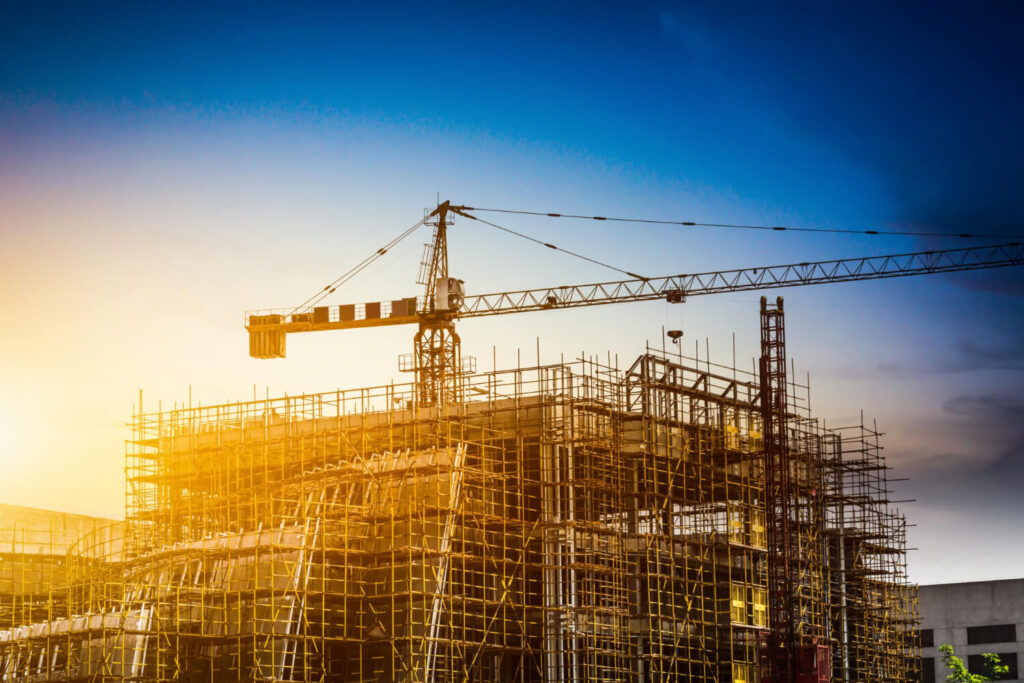
When working on high-rise construction projects in dense urban environments like New York City, safety and precision are everything. One of the most advanced pieces of equipment used on these job sites is the Potain MR 418 Luffing Electric Tower Crane with Exterior Climber, a powerhouse designed for performance, efficiency, and adaptability.
Recently, dramatic footage from Midtown Manhattan showed a tower crane spinning in high winds, raising concern among pedestrians and construction professionals alike. But what may look alarming is often a built-in safety feature, not a failure.
Let’s break it down.
What Is the Potain MR 418 Luffing Tower Crane?
The Potain MR 418 is a high-capacity luffing jib crane manufactured by Manitowoc Company under its Potain brand. It’s specifically engineered for:
- High-rise construction projects
- Tight urban job sites
- Areas with restricted swing radius
Key Features
- Luffing jib design for controlled movement in confined spaces
- Electric-powered system for energy efficiency and reduced emissions
- High lifting capacity for heavy structural components
- Exterior climbing system allowing the crane to “grow” with the building
What Is an Exterior Climber System?
An exterior climber allows the crane to be anchored to the outside of a building and raised as construction progresses.
Why It Matters
- Eliminates the need for a massive ground base
- Maximizes usable space on tight city sites
- Enables vertical growth alongside skyscrapers
This makes it ideal for projects in busy areas like Midtown Manhattan, where space is extremely limited.
Why Do Tower Cranes Spin in High Winds?
In the recent Midtown incident near Broadway, reports described a crane “spinning” during strong winds. While it may appear dangerous, this is typically due to a controlled process called:
Free Slewing (Weather Vaning)
Tower cranes like the Potain MR 418 are designed to rotate freely in high winds when the slew brake is released.
This process is also known as weather vaning, a natural response where the crane aligns itself with wind direction—similar to a weather vane.
How It Works
- The crane’s brake system is released
- The crane rotates 360 degrees freely
- Wind pressure is reduced across the structure
Why It’s Important
- Prevents structural stress on the crane
- Reduces risk of mechanical damage
- Enhances overall stability during extreme weather
Safety Protocols During High Wind Events
When high winds hit areas like Midtown, emergency crews often take precautionary steps:
- Closing streets and restricting pedestrian access
- Monitoring crane movement in real time
- Ensuring the crane is properly set to free slew mode
- Inspecting structural integrity before and after storms
Even though the crane is designed to handle these conditions, public safety remains the top priority.
Common Misconceptions About Spinning Cranes
“The crane is out of control”
In most cases, it is operating exactly as designed.
“It’s about to collapse”
Free rotation actually reduces collapse risk, not increases it.
“Something is broken”
This is often a preventative safety mechanism, not a malfunction.
The Role of Advanced Crane Technology in NYC Construction
Modern cranes like the Potain MR 418 are critical to shaping the skyline of New York City. With increasing building heights and tighter construction zones, equipment must be:
- Smarter
- Safer
- More adaptable
Features like electric operation, precision controls, and weather-responsive design ensure that projects stay on track, even in challenging conditions.
The sight of a tower crane spinning in the wind can be alarming, but in reality, it often demonstrates smart engineering and proactive safety design.
The Potain MR 418 Luffing Electric Tower Crane with Exterior Climber represents the future of urban construction: efficient, adaptable, and built with safety in mind.
Understanding how these machines work not only reassures the public, but also highlights the incredible technology behind today’s construction industry.